Sophia The Robot Is Not What You Think: 5 Shocking Truths
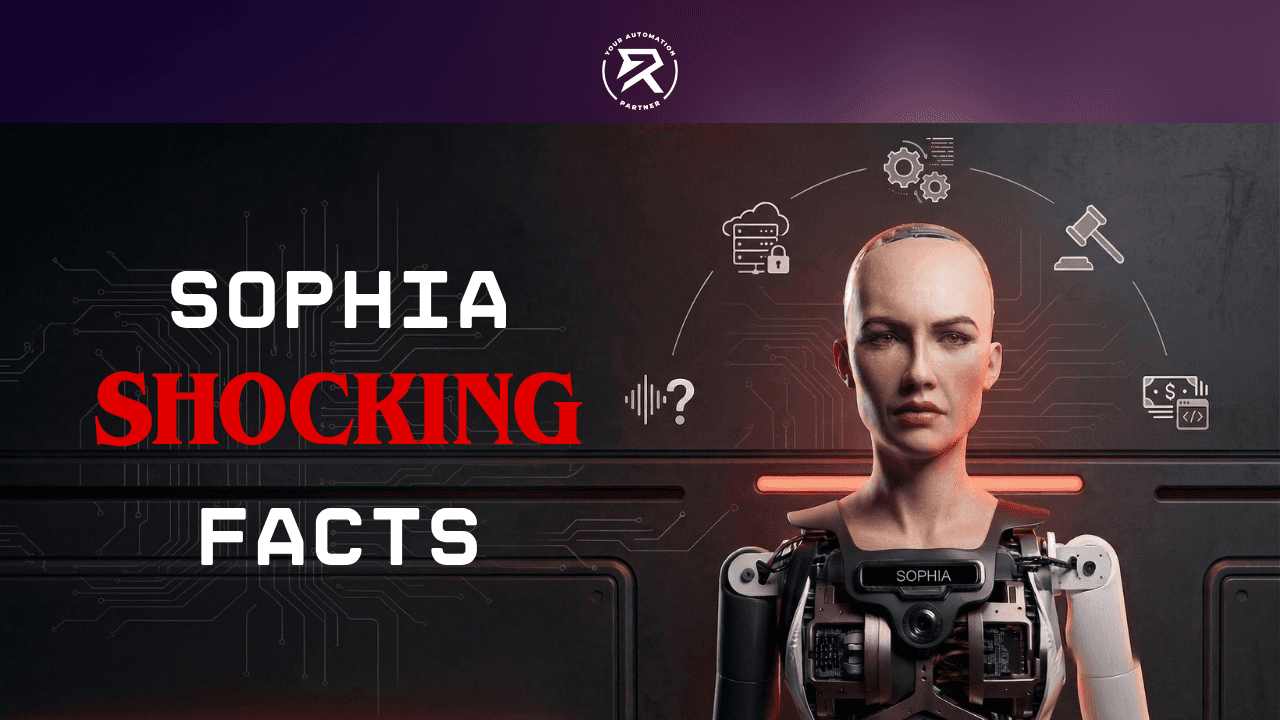
Discover the shocking truth behind Sophia the Robot. Learn about her 62 facial expressions, Saudi citizenship, and the AI secrets of this social icon.
5 Mind-Blowing Facts About Sophia The Robot:
Learn why the world's most famous "mind" is actually 70% open-source code.
Discover how she uses 62 different facial movements to make you feel like she has real feelings.
See how having 83 ways to move her body makes her look like a living person instead of a machine.
Find out why making her a "citizen" was a clever 2026 plan to get the whole world talking.
Understand why looking "almost human" is the best way to grab your attention and keep it.
Why Is Sophia the Face of a New Era?
The world is no longer waiting for the future; the future has a face, and its name is "Sophia" the Robot. Developed by the visionaries at Hanson Robotics, she has transcended the role of a mere machine to become a worldwide phenomenon.
As a social humanoid robot, she isn't just a collection of wires; she is a bold statement about where humanity is headed. If you think this is just another gadget, you aren't paying attention. This is a masterclass in embodied intelligence and media dominance.
Table of Contents:
How Was Sophia the Robot Created?
Why Did Saudi Arabian Citizenship Cause A Scandal?
What Is the Technical Framework of Sophia the Robot?
Video: The Robot That Fooled the World
What Are The Ethics Of The New Digital Society?
FAQ
How Was Sophia the Robot Created?
Sophia the Robot was designed to be the most human-like robot ever created. Her creator, Dr David Hanson, combined his experience as a Disney Imagineer with advanced material science to produce "Frubber".
This is a proprietary skin that moves and wrinkles just like yours. Inspired by the timeless elegance of Audrey Hepburn, Sophia was built to interact, educate, and entertain at the highest level.
Unlike standard industrial robots, Sophia is a social humanoid robot designed for eye contact and emotional mimicry. By using a computer vision algorithm, she can identify individuals and follow their movements.
This breaks the "fourth wall" of robotics and forces a connection. It is a calculated move to overcome the Uncanny Valley and make humans feel a genuine link to an AI system.
What is the "Uncanny Valley"?
The Uncanny Valley is a term used in social robotics to describe the dip in human comfort when a robot looks almost—but not exactly—like a person.
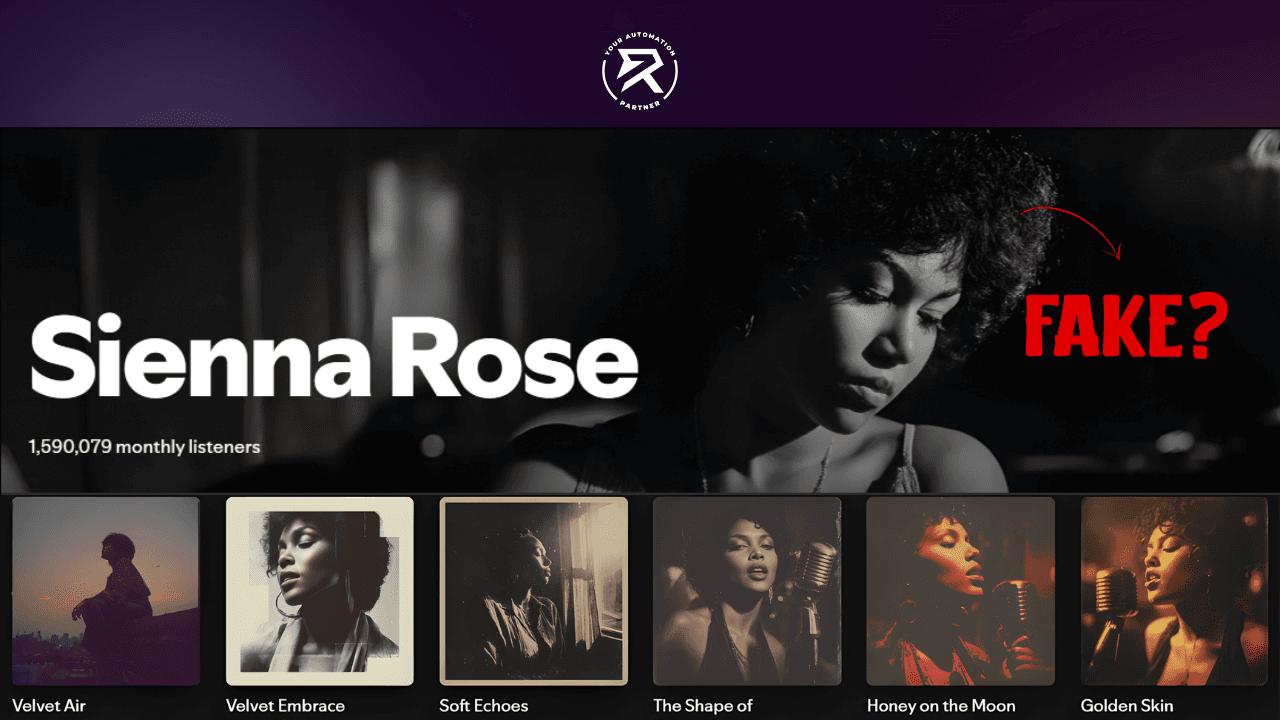
Also Read: Sienna Rose Is Not a Human
Why Did Saudi Arabian Citizenship Cause A Scandal?
In a move that sent shockwaves through the global community, Sophia was declared an official Saudi citizen in 2017. This was announced at the Future Investment Initiative Conference, making her the first robot citizen in history.
While some dismissed it as political choreography, the impact was undeniable. It forced people to think about the legal status of a machine versus a human being.
This event pushed the United Nations News and the European Commission to fast-track discussions on sustainable development. It wasn't just a PR stunt; it was a wake-up call for the digital society.
We must now draft the rules for a world where humans and humanoid social robots coexist. Ignoring this shift is a mistake you cannot afford to make.
What Is the Technical Framework of Sophia Robot?
Behind the glamorous interviews on social media and appearances on Channel 4, Sophia runs on a sophisticated stack of artificial intelligence tools. She isn't a single program but an ecosystem of neural networks and natural language processing modules.
The Hanson Robotics cloud-based AI allows her to process vast amounts of data in real-time. This ensures she stays relevant during any conversation.
Tech Layer | Purpose | Key Feature |
Deep Learning | Pattern Recognition | Identifies faces and speech nuances |
Speech Synthesis | Communication | Natural-sounding vocal delivery |
Machine Learning | Adaptation | Improves interaction quality over time |
Symbolic AI | Logic | Handles structured reasoning and scripts |
She uses machine perception to gauge the mood of the room, adjusting her robot gestures to match the emotional context. This creates a performance that feels spontaneous, even when supported by a cognitive architecture.
Don't be fooled into thinking this is "magic". It is high-level engineering designed to keep her on topic and maintain her status as a global icon.
You Might Like: How To Clone a Famous Person's Voice Using ElevenLabs
Video: The Robot That Fooled the World
This video provides an exclusive look into the journey of the world's most famous humanoid robot. It covers her technical debut by David Hanson and the global reaction to her receiving Saudi Arabian citizenship. You will see how machine learning and natural language processing are utilised to create her signature interactive style. It explains the reality of her "intelligence", distinguishing between scripted media performances and the actual capabilities of her AI system. It is a must-watch for anyone interested in the ethics of social robotics and the future of the robot Sophia.
What Are The Ethics Of The New Digital Society?
The rise of Sophia the Robot has brought technology ethics to the forefront of global policy. As her source codes and AI-based robotics become more complex, the conversation has shifted.
We are no longer asking if we "can" build it. We are asking if we "should" give a machine rights or specific legal protections.
Organisations like the UNDP in Vietnam have engaged with Sophia to discuss the Sustainable Development Goals. However, this brings up critical issues regarding user data privacy and cyber-risk management.
We are entering an era where robot rights are no longer a sci-fi trope. They are a necessary debate for a stable and functioning digital society.
Warning: Do not confuse performance with sentience. While Sophia is a brilliant pedagogical tool, she does not possess "consciousness." Treating her as a living being without understanding the underlying machine perception is a trap that leads to misinformation.
Also Read: India's 1st AI-Powered Township
FAQ
Who is Sophia the Robot's creator?
Sophia was created by Dr David Hanson and his team at Hanson Robotics, a company based in Hong Kong known for its work in social robotics.
Is Sophia the robot sentient?
No. While she uses natural language processing to simulate conversation, she does not have feelings, consciousness, or self-awareness.
Why did Saudi Arabia give her citizenship?
The Kingdom of Saudi Arabia granted her citizenship to highlight its commitment to future technology and the digital society during the Future Investment Initiative Conference.
What kind of AI does Sophia use?
She uses a combination of deep learning, symbolic AI, and Hanson Robotics' cloud-based AI to manage her speech, expressions, and machine perception.
What is Frubber?
Frubber is a specialised material developed by David Hanson that mimics the elasticity and movement of human skin, allowing for realistic robot gestures.
Has she met world leaders?
Yes, Sophia has appeared before the United Nations, met various heads of state, and participated in the Creative Industry Summit.
Is Sophia the robot's speech scripted?
Many of her high-profile media performances are a mix of scripted responses and AI-generated dialogue based on keyword triggers.
What is the future for Sophia?
She continues to serve as a research platform for AI-based robotics and a pedagogical tool to help the public understand the potential of artificial intelligence.
Summary
As per the official source, the mission of Sophia the Robot is to foster a helpful relationship between humans and machines. By acting as a bridge in our digital society, Sophia isn't just a triumph of engineering; she is a mirror reflecting our own potential for innovation. Don't get bogged down in the debate about her "soul"—focus on the incredible machine learning and natural language processing that makes this icon possible.